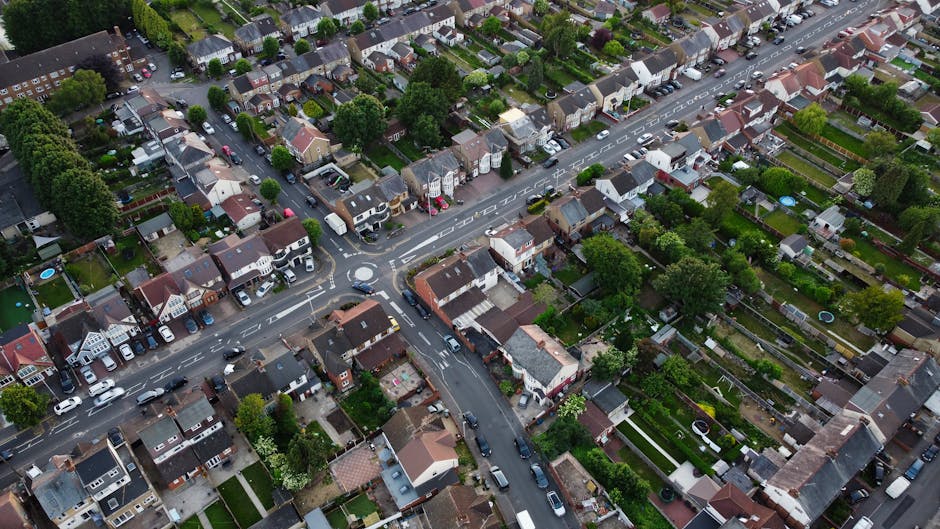
Postcode TW5 gardeners and garden maintenance tips
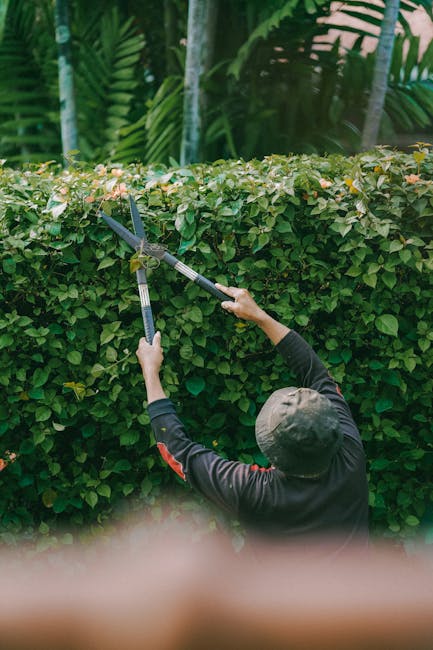
If you live in TW5, keeping a garden looking tidy can feel like a moving target. One week the lawn is neatly cut, the next the hedges have had a quiet growth spurt and the borders are doing their own thing. That is exactly where practical postcode TW5 gardeners and garden maintenance tips come in: simple, local-friendly guidance that helps you stay on top of the work without turning every weekend into a full-time gardening shift.
In this guide, you will find a clear, useful overview of what garden maintenance usually involves in TW5, when it makes sense to bring in help, and how to avoid the little mistakes that make a garden feel untidy even when the big jobs are done. There is no fluff here. Just the kind of advice that makes a real difference, whether you are caring for a compact front garden, a family back garden, or a bigger plot that seems to collect weeds almost overnight.
Why postcode TW5 gardeners and garden maintenance tips matters
TW5 gardens tend to face the same mix of pressures seen across much of west London: limited time, variable weather, compact outdoor spaces, and plant growth that never quite waits for a convenient weekend. A tidy garden does more than look nice. It changes how you use the space, how much work builds up, and even how manageable the garden feels when the seasons shift.
For many households, the real issue is not whether the garden can be improved. It is how quickly small jobs turn into larger ones. A missed mow leads to long grass. Long grass hides weeds. Weeds make edging awkward. Before long, the whole place feels like it needs a reset. To be fair, that happens to almost everyone now and then.
Good maintenance tips help you break that cycle. They also make it easier to decide what you can sensibly handle yourself and what is better left to a professional gardener. If you are comparing local support, it can help to look at the broader services overview and, if you need ongoing help, the dedicated garden maintenance service may be a better fit than calling someone out for isolated jobs.
There is also a practical side. A well-kept garden is usually safer to walk through, easier to inspect after storms, and less likely to attract problems such as blocked paths, overhanging growth, or piles of waste sitting about. It sounds obvious, but people often notice the benefit only after things have got a bit messy.
How postcode TW5 gardeners and garden maintenance tips works
Garden maintenance is not one single task. It is a rhythm. In TW5, that rhythm usually depends on the time of year, the size of the garden, the amount of planting, and how much the space is actually used. A family garden with children, pets, and a lawn will need a different routine from a front garden with gravel, a hedge, and a few shrubs.
At a practical level, maintenance usually includes mowing, edging, trimming, weeding, clearing dead material, checking plant health, and keeping paths or decorative areas tidy. For some gardens, it also includes pruning, light clearance, and seasonal preparation. If larger shrubs, trees, or awkward boundary growth are involved, some owners also bring in specialist help such as hedge trimming or tree lopping and removal when work becomes too high, too heavy, or simply unsafe to do casually.
The process works best when you match the task to the condition of the garden. For example, a neglected lawn needs a different first visit from a lawn that is already in reasonable shape. Likewise, a border full of established perennials needs a more careful approach than a patch of mixed weeds and self-seeded growth. The best gardeners do not just "cut things back"; they judge what should be kept, shaped, or cleared out.
If the garden has become overgrown after a long gap, the first step is often a one-off reset. That might include clearing debris, removing waste, and reducing the volume of growth so routine maintenance becomes possible again. In those cases, a proper garden clearance can be a sensible starting point. Then maintenance becomes the easier part.
Key benefits and practical advantages
The biggest benefit is simple: a maintained garden stays usable. You can step outside and enjoy it without mentally listing all the jobs still waiting to be done. That matters more than people admit. A garden that feels manageable gets used more often, and that usually means it becomes a nicer part of the home rather than another source of stress.
- Better appearance: Regular cutting, edging, and trimming keeps the whole space looking cared for.
- Healthier plants: Clearing dead material and pruning properly helps reduce disease pressure and crowding.
- Lower long-term workload: Small, frequent jobs are easier than rescuing an overgrown garden later.
- Improved safety: Clear paths, controlled growth, and tidy borders reduce trip hazards and snagging.
- More predictable spending: Routine maintenance can be easier to budget for than emergency or catch-up work.
- Better seasonal resilience: Gardens that are maintained tend to handle dry spells, heavy rain, and winter debris more cleanly.
There is another quiet benefit too: maintenance gives you visibility. You spot problems early. A patch of yellowing lawn, a hedge that is starting to lean, or a drainage issue after rain is much easier to deal with when the garden is not hiding itself under layers of growth. Honestly, that alone can save a lot of hassle.
For homeowners considering upgrades alongside maintenance, some changes are worth planning rather than improvising. A new seating area, border redesign, or levelled surface can improve how the space works. If that is on your mind, landscaping and landscape gardening offer a more structural route than routine upkeep alone.
Who this is for and when it makes sense
Postcode TW5 gardeners and garden maintenance tips are relevant for a lot of people, not just those who already pay for regular work. If any of the situations below sound familiar, the guidance here will probably save you time, effort, or both.
- Homeowners who want the garden to stay neat between visits from a professional gardener.
- Busy families who need a straightforward routine rather than a perfect-showpiece approach.
- Landlords or property managers who need outdoor areas kept presentable.
- Older residents who want practical upkeep without heavy lifting.
- New homeowners trying to understand what their garden actually needs.
- Anyone dealing with seasonal overgrowth, a tired lawn, or a patchy border.
It also makes sense if the garden has become awkward to manage. Maybe the hedge line has grown too high. Maybe the lawn is thin in places and weeds keep returning. Maybe the decking or hardscape areas need a tidy frame around them to stop the whole plot looking unfinished. In those cases, maintenance is no longer a cosmetic choice. It becomes the thing that keeps the outdoor space functional.
If you are at the stage of deciding whether to book routine help, it can be useful to review pricing guidance and request a clear quote rather than guessing. The pricing and quotes page is a sensible place to start if you want a clearer picture before committing.
Step-by-step guidance
Here is a straightforward way to think about garden maintenance in TW5. You do not need to do everything at once. In fact, trying to do everything at once is usually how people end up with sore backs and half-finished borders. Been there, regrettably.
- Walk the garden slowly. Look for long grass, weeds, broken branches, hidden debris, drainage puddles, and areas that feel cramped or untidy.
- Separate urgent tasks from cosmetic ones. Safety and access come first. After that, move to appearance and longer-term improvements.
- Cut back obvious overgrowth. Start with edges, paths, and access points. That gives the space shape again.
- Deal with the lawn. Mow at a sensible height, not too short, and remove clippings where they would smother growth.
- Weed and clear borders. Pull out annual weeds early, then tidy the soil surface or mulch where appropriate.
- Trim shrubs and hedges carefully. Do not just shear everything flat. Shape with the plant's natural growth in mind.
- Remove waste properly. Bag cuttings, branches, and clippings so they do not end up blowing back through the garden.
- Finish with edges and detail work. Clean edges make a huge difference. A lawn can look twice as tidy with sharp borders.
- Set a repeat schedule. Decide what needs doing weekly, monthly, and seasonally, then stick to something realistic.
If the job is too large for a routine visit, or there is a lot of heavy material to move, it may be worth combining maintenance with a clearance service first. That way, your next round of upkeep is much more achievable.
Expert tips for better results
One of the best tips is also the least glamorous: do a little, often. Gardens respond well to consistency. A quick tidy every one or two weeks will usually outperform a dramatic once-a-season overhaul. It is not flashy, but it works.
Here are a few practical details that make a noticeable difference:
- Mow to the season. In warm, active growing periods, lawns usually need more frequent attention. In slower periods, reduce the frequency rather than forcing a strict schedule.
- Do not scalp the lawn. Cutting too short can leave grass stressed and patchy, especially during dry spells.
- Prune with purpose. Remove dead, crossing, or overcrowded growth. Don't just hack away because it feels efficient.
- Watch the edges. Neat edging around beds, paving, and paths makes the whole garden look intentional.
- Keep an eye on drainage. If water sits in one area after rain, maintenance alone may not solve it. That is a design or ground-level issue.
- Leave room for access. A garden should not require a small expedition to reach the back corner.
Another quiet truth: most "messy" gardens are not messy everywhere. Usually, two or three neglected areas are doing all the damage visually. If you focus on those first, the entire garden improves fast. Really fast, sometimes.
When work starts to feel more structural than cosmetic, pairing maintenance with design improvements can help. A better layout, clearer boundaries, or a refreshed seating area can reduce future upkeep. If that sounds like your situation, have a look at decking services as well as broader landscaping options.
Common mistakes to avoid
Most garden problems in TW5 are not caused by one huge failure. They are caused by a few small choices repeated over time. That is actually good news, because it means the fixes are manageable.
- Leaving long grass too long: Once grass gets overgrown, mowing can be harder and less effective.
- Over-pruning hedges: Removing too much at once can leave gaps, stress the plant, or ruin the shape for months.
- Ignoring waste build-up: Cuttings and dead material trap moisture and make areas look untidy fast.
- Using the wrong tool for the job: A blunt tool or a cheap shortcut can make more work later.
- Cutting everything the same way: Borders, lawns, shrubs, and trees each need different handling.
- Waiting for a "big clean-up day": That day often never comes, and the garden quietly gets worse.
There is also a safety angle. Tall hedges, dense shrubs, and awkward tree branches can tempt people into climbing, stretching, or using ladders badly. Please do not make a heroic decision in the name of tidiness. Gardens have a way of punishing overconfidence. A little humour there, but only a little.
If a task feels uncertain, especially around height, falling debris, or heavy waste, it is smarter to choose professional support. That is where clear policies around health and safety and insurance and safety matter, because they reflect the kind of working standards a careful service should follow.
Tools, resources and recommendations
You do not need a shed full of specialist equipment to keep a TW5 garden under control. In many cases, a few reliable basics are enough. The right tools make the work feel lighter, cleaner, and less frustrating.
| Task | Useful tools | What to look for |
|---|---|---|
| Lawns | Lawnmower, edging tool, rake | Clean cut, manageable height, easy handling |
| Hedges | Hedge trimmer, loppers, gloves | Sharp blades, controlled reach, safety grip |
| Borders and weeds | Hand fork, hoe, kneeler | Comfort, control, and access in tight spaces |
| Clearing | Rake, buckets, waste bags | Strong enough for green waste and twigs |
| Pruning | Secateurs, saw, disinfecting wipe | Clean cuts and tidy removal of dead growth |
For many people, the most useful resource is not another gadget, but a realistic plan. A monthly checklist, a seasonal routine, and a clear idea of what is too large to tackle alone will do more than a cluttered toolbox ever could.
Professional maintenance can also be the right resource when time is tight or the garden has got ahead of you. If you are looking to compare different kinds of help, the main garden maintenance service and the broader services overview are both useful starting points.
Law, compliance, standards, or best practice
For most domestic gardens, the main focus is less about legal complexity and more about safe, considerate practice. Still, a few principles are worth keeping in mind.
First, waste should be handled responsibly. Garden cuttings, branches, and soil should not be left to block pavements, drains, or shared access routes. In a shared property or managed setting, that becomes even more important. If clearance is required, proper removal is better than leaving piles to sit and rot.
Second, trees, large branches, and high hedging deserve care. If there is any doubt about stability, height, or nearby structures, it is wise to use a trained service rather than improvising. That is partly about protecting the garden, but mostly about protecting people.
Third, best practice means working cleanly and safely. That includes appropriate tools, sensible PPE where needed, and clear site housekeeping. A tidy work area is not just more pleasant; it reduces the chance of trips, cuts, and avoidable damage.
Fourth, if you are hiring someone, it is fair to ask how they manage safety, insurance, payment, and complaints. Those details are not paperwork for the sake of it. They tell you whether the business is organised and accountable. You can usually get a decent sense of that from pages such as about us, payment and security, and terms and conditions.
Finally, sustainable practice matters more than it used to. Compostable material should be separated where practical, and reusable garden materials should be kept in circulation rather than thrown out unnecessarily. If that matters to you, the recycling and sustainability page gives a helpful sense of the values behind responsible garden work.
Options, methods, or comparison table
Not every garden needs the same approach. Some people want a simple monthly tidy-up. Others need a heavier reset followed by regular care. Here is a practical comparison.
| Approach | Best for | Pros | Trade-offs |
|---|---|---|---|
| DIY maintenance | Small, manageable gardens with light growth | Flexible, low cost, hands-on control | Time-consuming, easy to drift behind |
| Routine professional visits | Busy households or larger gardens needing consistency | Reliable, tidy, less stress | Ongoing budget needed |
| One-off clearance then maintenance | Overgrown or neglected gardens | Fast reset, easier long-term upkeep | Heavier initial job |
| Maintenance plus landscaping changes | Gardens that are hard to maintain as designed | Improves layout and future ease | More planning required |
If your garden feels permanently awkward to look after, the problem may not be effort. It may be the layout. Narrow access, poor drainage, and badly placed beds can all make even simple maintenance feel annoying. In those cases, structural changes can pay off more than endlessly repeating the same tidy-up cycle.
Case study or real-world example
A fairly typical TW5 scenario goes like this: a back garden has been left for a few months through a busy season. The lawn is uneven, a hedge has grown too far out, weeds are pushing through the border, and cuttings from an earlier tidy-up are still tucked behind a shed. Nothing dramatic on its own. Together, though, it makes the garden feel much bigger and more tiring than it is.
The first visit focuses on the obvious pressure points. The hedge is shaped back to a sensible line. The lawn is cut in stages rather than attacked too short. The border is cleared of dead growth and weeds. Waste is removed. Suddenly the garden has shape again, and the owner can see the actual structure of the space. That is often the turning point.
On the next visit, the work is lighter. A simple mow, edge tidy, and weed check keep the garden from slipping back. The difference is not magical. It is just consistency. But it feels magical the first time you sit outside with a cup of tea and realise the place no longer needs apologising for itself.
That kind of result is exactly why many people start with a reset and then move to regular upkeep. If you are in that stage, a clear quote and a straightforward plan are usually better than trying to guess the right level of service.
Practical checklist
Use this checklist to keep your TW5 garden under control without overcomplicating it.
- Check lawn height and mow before it gets too long.
- Trim edges around paths, beds, and paving.
- Remove weeds before they set seed.
- Cut back dead or damaged growth.
- Inspect hedges for overhang and uneven lines.
- Clear leaves, twigs, and cuttings from hard surfaces.
- Keep access paths open and safe.
- Look for drainage problems after heavy rain.
- Separate routine maintenance from heavier clearance jobs.
- Set a realistic schedule for weekly, monthly, and seasonal tasks.
- Book help for high, heavy, or awkward work.
- Review whether the garden layout is helping or hindering maintenance.
If you only do three things this month, make it these: mow properly, clear the clutter, and finish the edges. That trio changes the whole feel of a garden faster than most people expect.
Conclusion
Postcode TW5 gardeners and garden maintenance tips are really about making outdoor space easier to live with. A good routine keeps the garden tidy, safer, healthier, and far less intimidating to manage. It also helps you notice what truly needs attention before it becomes a bigger job.
The best results usually come from simple habits: steady mowing, careful trimming, regular weeding, and a realistic understanding of when the work has moved beyond a quick tidy. If your garden needs a reset, or if you want a maintenance plan that fits your schedule instead of fighting it, the smartest move is to start with clear priorities and sensible expectations.
Get a free quote today and see how much you can save.
And if you take only one thing from this guide, let it be this: a garden does not need to be perfect to feel good. It just needs enough care, consistently, to stay welcoming.
Frequently Asked Questions
What do gardeners in TW5 usually do during routine maintenance visits?
Routine visits often include mowing, edging, weeding, hedge shaping, leaf clearing, light pruning, and general tidying. The exact work depends on the season and the condition of the garden.
How often should a garden in TW5 be maintained?
Most gardens benefit from weekly or fortnightly attention during active growing periods, then less frequent visits during slower months. The right pace depends on lawn size, hedge growth, and how much use the space gets.
Is garden maintenance the same as garden clearance?
No. Garden maintenance is ongoing upkeep. Garden clearance is usually a larger one-off job to remove overgrowth, waste, and accumulated debris so regular care can begin again.
What are the most important garden maintenance tips for a small TW5 garden?
Focus on mowing, clean edging, weed control, and keeping surfaces clear. Small gardens can look untidy very quickly, so consistency matters more than long, occasional sessions.
Can hedge trimming be part of a maintenance plan?
Yes, and it often should be. Hedges can make a garden feel neat or scruffy very quickly. Regular trimming keeps growth controlled and stops edges from spilling into paths or neighbouring areas.
When should I consider professional help instead of DIY?
If the garden is overgrown, the work involves height or heavy branches, or you simply do not have time to keep up, professional help usually makes sense. It can also be the safer option for awkward jobs.
What is the best time of year for a garden tidy-up?
Spring and early autumn are common times for more thorough work, but maintenance is really year-round. The exact timing depends on growth, weather, and whether the garden has seasonal planting or a lawn that needs regular attention.
How do I keep a lawn looking healthy between visits?
Mow at a sensible height, avoid cutting too short, clear clippings where needed, and water only when necessary. If the lawn is patchy or compacted, it may also need aeration or extra care over time.
What should I ask before booking garden maintenance?
Ask what is included, how often the work is recommended, whether waste removal is part of the service, and how safety and insurance are handled. Clear communication at the start prevents disappointment later.
Are there sustainability-friendly ways to manage garden waste?
Yes. Green waste can often be separated, reused material can be kept in circulation, and unnecessary disposal can be avoided by planning the work properly. Responsible handling is part of good garden practice.
How do I know if my garden needs landscaping rather than simple maintenance?
If the layout makes upkeep difficult, if drainage is poor, or if the space never functions well no matter how much you tidy it, then landscaping may be worth considering. Maintenance keeps a good garden going; landscaping helps fix the structure.
Do I need a full service every time, or can I book specific tasks?
That depends on the garden and your priorities. Some people only need mowing and hedge trimming, while others benefit from a broader maintenance plan. The right choice is usually the one that keeps the garden manageable without overpaying for work you do not need.